
Can Foreigners Buy Property in Thailand? Complete 2026 Guide
Сontent:
- Understanding Foreign Property Ownership in Thailand
- What Can Foreigners Own in Thailand?
- What Foreigners Cannot Own Directly
- Legal Ways for Foreigners to Buy Property in Thailand
- Condominium Ownership (Freehold) – The Simplest Option
- How Condominium Ownership Works
- Foreign Ownership Quota Rule
- Foreign Exchange Transaction (FET) Form Requirements
- Registration Process at Land Department
- Long-Term Leasehold for Houses and Villas
- Important Legal Considerations and Risks
- Common Risks and How to Avoid Them
- Property Investment Opportunities in Thailand
- How Highrise Asia Can Help You Buy Property in Thailand
- FAQ
Thailand’s tropical paradise, vibrant culture, and affordable lifestyle have made it an increasingly attractive destination for foreign property investors and expats seeking a permanent home. If you’re wondering whether foreigners can buy property in Thailand, the answer is yes – but with important legal restrictions and specific pathways you must follow. This comprehensive guide will walk you through everything you need to know about buying real estate in Thailand as a foreigner in 2026, from legal ownership structures to step-by-step purchase procedures and essential cost considerations.
Understanding Foreign Property Ownership in Thailand
Thailand’s property laws maintain strict controls over foreign ownership to protect national interests while still allowing international investors access to the real estate market through well-defined legal channels. Understanding what you can and cannot own is the critical first step before purchasing any property in Thailand.
What Can Foreigners Own in Thailand?
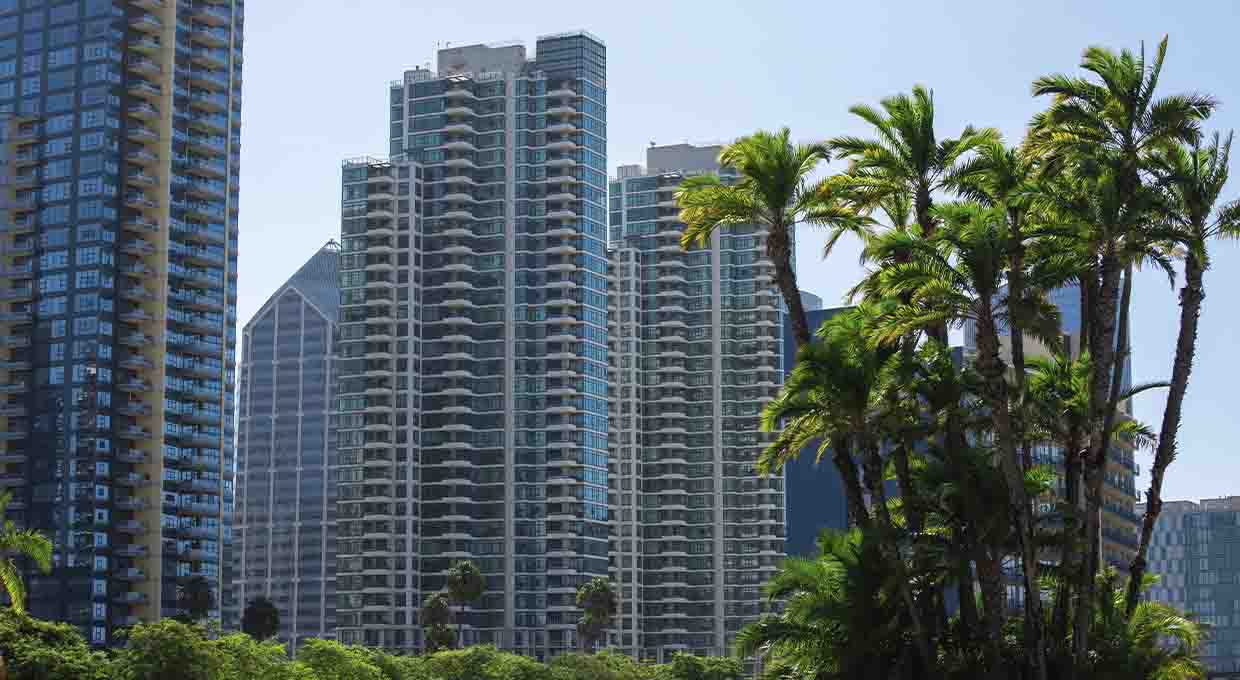
Foreign nationals are legally permitted to own specific types of properties in Thailand under certain conditions. The most straightforward option is condominium units on a freehold basis, where you receive complete ownership rights similar to Thai citizens. Foreigners can also own houses and villas, though not the land beneath them, through leasehold agreements or alternative legal structures. Additionally, through specific investment programs and company structures, foreigners can gain access to land ownership under strictly regulated circumstances.
The key distinction lies between freehold ownership – permanent, unrestricted ownership – and various forms of limited rights or leasehold arrangements that provide long-term control without full ownership.
What Foreigners Cannot Own Directly
Thai law explicitly prohibits foreigners from directly owning land in freehold title under the Land Code Act. This fundamental restriction means you cannot register land in your personal name as a foreign individual. Similarly, foreigners cannot purchase houses on freehold land as a standalone transaction, since Thai law treats buildings as part of the land they occupy in most traditional ownership scenarios.
However, these restrictions have led to the development of legal alternatives that allow foreigners to effectively control and benefit from properties while remaining compliant with Thai regulations.
Legal Ways for Foreigners to Buy Property in Thailand
Thailand offers several legally sound pathways for foreign property ownership, each with distinct advantages, requirements, and limitations. Choosing the right structure depends on your investment goals, budget, and whether you’re interested in a condominium or a landed property like a house or villa. Once you’ve decided on the right ownership structure, follow our detailed step-by-step buying process guide to navigate each stage of your property purchase with confidence.
Condominium Ownership (Freehold) – The Simplest Option
Purchasing a condominium represents the most direct and secure method for foreigners to own property in Thailand. Under the Condominium Act B.E. 2522 (1979), foreign buyers can acquire full freehold ownership of condominium units, granting identical ownership rights to those enjoyed by Thai nationals.
How Condominium Ownership Works
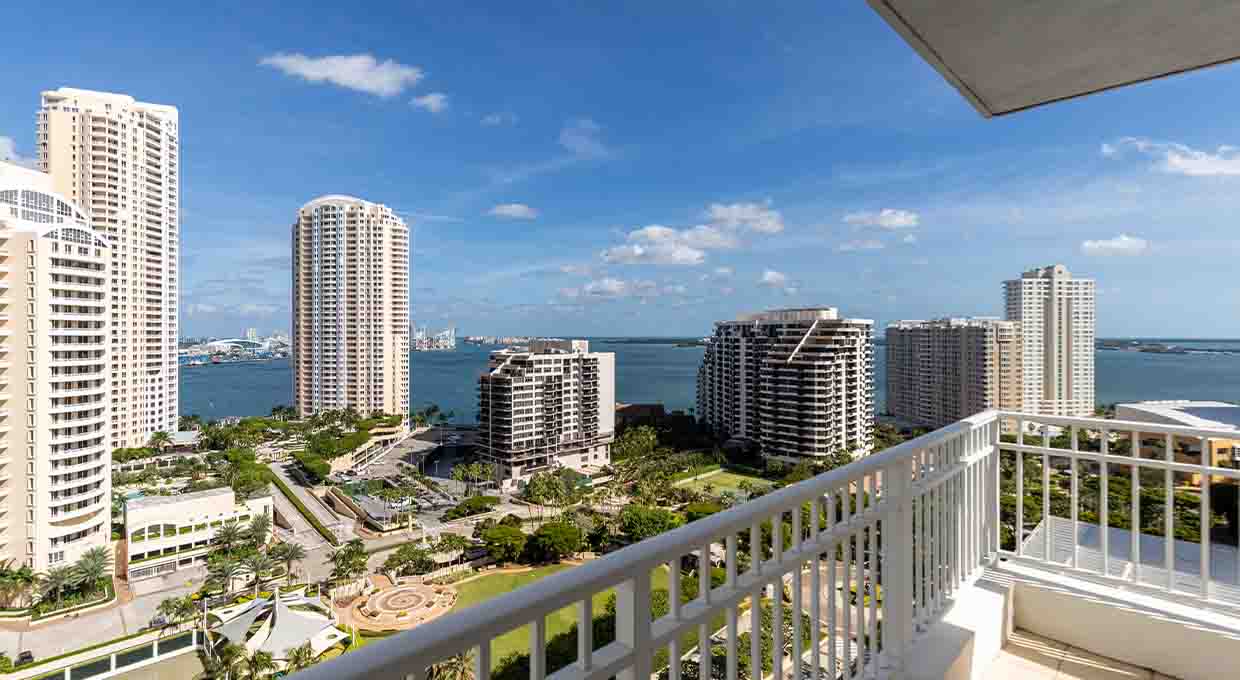
Freehold condominium ownership provides you with permanent, unrestricted ownership of your unit. You receive full legal title, which allows you to use, modify, rent, sell, or transfer the property at your discretion. The ownership is registered at the Land Department, and you receive a title deed (Chanote) in your name, providing complete legal protection.
This ownership extends to your specific unit as well as a proportional share of the building’s common areas, such as lobbies, elevators, gyms, swimming pools, and parking facilities.
Foreign Ownership Quota Rule
Thai law imposes a fundamental restriction on the total foreign ownership allowed in any condominium building. No more than 49% of the total saleable floor area in a condominium project can be owned by foreigners on a freehold basis. The remaining 51% must be owned by Thai nationals.
Before making any reservation or deposit payment, you must verify that the building has not exceeded its foreign ownership quota. Developers and sellers should provide documentation confirming quota availability. If the foreign quota is full, you may still purchase the unit but only on a leasehold basis rather than freehold, significantly affecting your ownership rights and property value
Foreign Exchange Transaction (FET) Form Requirements
One of the most critical requirements for foreign condominium ownership is proving that your purchase funds originated from outside Thailand. The Foreign Exchange Transaction (FET) form serves as mandatory legal evidence that you transferred foreign currency into Thailand and converted it to Thai baht specifically for property purchase.
To obtain an FET form, you must transfer the full purchase price from an overseas bank account in foreign currency (USD, EUR, GBP, etc.) – never in Thai baht. Your Thai receiving bank will convert the foreign currency to baht and, upon request, issue the FET form. The form must include your full legal name, the transferred amount in foreign currency, the converted Thai baht amount, and the specific purpose stating “purchase of condominium”.
Banks typically issue FET forms for transfers exceeding USD 50,000. For smaller amounts, banks provide an alternative bank certificate or confirmation letter that serves the same legal purpose. Without this documentation, the Land Department will refuse to register the condominium in your name, regardless of payment completion.
Registration Process at Land Department
The final ownership transfer occurs at the local Land Department office where the property is located. Both buyer and seller (or their legal representatives) must attend in person. You must present your passport, the signed Sale and Purchase Agreement, proof of funds transfer (FET form or bank certificate), and payment for all applicable transfer fees and taxes.
The Land Department officer will verify all documentation, calculate and collect taxes and fees, and then register the transfer of ownership. Upon completion, you receive the official title deed (Chanote) with your name registered as the legal owner. The entire process typically takes 4-8 weeks from reservation to final registration.
Long-Term Leasehold for Houses and Villas

For foreigners interested in buying a house in Thailand or acquiring a villa, leasehold structures represent the most common and legally secure method. Since foreigners cannot own land directly, leasing the land while owning the structure built upon it provides an effective alternative.
Understanding Leasehold Structure
Under Thai law, the maximum registered lease term for land is 30 years, as stipulated in the Civil and Commercial Code. While the initial 30-year term is legally guaranteed and enforceable, lease agreements commonly include renewal clauses for additional 30-year periods (often described as 30+30+30 years, totaling 90 years).
However, it’s crucial to understand that renewal options are contractual agreements between parties, not automatic legal rights. Future renewals depend on mutual agreement and cannot be legally guaranteed beyond the initial 30-year registered period. Despite this limitation, registered leaseholds provide substantial security and are widely accepted in Thailand’s real estate market.
Importantly, foreigners can own the physical structures – the house or villa – completely separate from the land lease. Thai law recognizes buildings as distinct property that can be owned outright while the land beneath is leased.
Leasehold Registration Process
Any lease agreement for a term exceeding three years must be registered at the Land Department to be legally valid and enforceable. Failure to register limits the lease’s enforceability to just three years, regardless of what the contract states.
Registration requires both the landowner (lessor) and the foreign tenant (lessee) to appear at the Land Department with the lease agreement, land title deed, identification documents, and payment for the registration fee (typically 1% of the total lease value). Once registered, your leasehold rights are protected and will be noted on the land title deed itself, binding all future owners of the land.
Freehold vs Leasehold Comparison
Understanding the differences between freehold and leasehold ownership helps you make informed investment decisions. Freehold ownership provides permanent ownership with no expiration date, full control over the property, higher resale value, and complete inheritance rights. However, for foreigners, freehold is limited to condominiums only, typically requires higher upfront investment, and involves higher transfer fees (approximately 6-7% of property value).
Leasehold ownership offers lower initial costs (registration fees around 1.1% of lease value), access to houses and villas on land, and legally protected use rights for the lease term. The drawbacks include finite ownership duration (30 years guaranteed, with renewal uncertainty), potentially declining property value over time, less favorable resale conditions, and limited mortgage availability.
For Highrise Asia’s extensive property portfolio, our team can guide you through both freehold condominium acquisitions and secure leasehold structures for villas, ensuring you select the ownership model that best aligns with your long-term goals.
Important Legal Considerations and Risks

Title Deed Types in Thailand
Understanding different title deed types helps you assess property security and value. Chanote (Nor Sor 4 Jor) is the highest-quality title deed, providing full ownership rights with precise GPS-verified boundaries, and is the only acceptable title for foreign condominium purchases. Nor Sor 3 Gor is a land certificate confirming possession rights with surveyed but not GPS-verified boundaries, acceptable for some transactions but with less security than Chanote. Nor Sor 3 and lower-grade title documents provide limited rights and are generally unsuitable for foreign buyers.
Always verify that the property you’re purchasing has a proper Chanote title deed for maximum legal protection.
Due Diligence Checklist
Comprehensive due diligence protects you from fraudulent transactions and hidden liabilities. Essential checks include verifying the seller’s identity matches the registered owner on the title deed, confirming the seller has legal authority to sell the property, checking for outstanding mortgages, liens, or other encumbrances on the title, verifying legal access to the property from public roads, confirming zoning regulations permit your intended use, reviewing all building permits for structural legality, checking for unpaid property taxes or utility bills, investigating any ongoing legal disputes involving the property, and for condominiums, verifying foreign ownership quota availability.
Never skip due diligence to expedite a transaction. Discovering problems after purchase can result in total loss of investment.
Common Risks and How to Avoid Them
Nominee Shareholder Schemes
Some unscrupulous agents or developers may suggest using nominee Thai shareholders to circumvent land ownership restrictions. This practice is explicitly illegal and carries severe criminal penalties including imprisonment, fines, property confiscation, and visa blacklisting. Government enforcement against nominee structures has intensified significantly in 2024-2025, with active investigations and prosecutions.
Only use legal ownership structures with genuine Thai partners who have made real capital contributions and exercise actual control. If an agent suggests a nominee arrangement, immediately disengage and find reputable legal counsel.
Hidden Liabilities
Properties may carry hidden debts, unpaid taxes, or legal disputes that transfer to new owners. Thorough due diligence, including comprehensive title searches and financial audits, reveals these liabilities before you commit to purchase. Your lawyer should obtain written confirmation from sellers that no undisclosed debts or legal issues exist and include warranties in your Sale and Purchase Agreement.
Developer Bankruptcy (for Off-Plan Properties)
Purchasing off-plan properties (not yet completed) from developers carries risks if the developer encounters financial difficulties or bankruptcy. Protect yourself by researching the developer’s track record and financial stability, visiting completed projects to assess quality, requesting escrow account arrangements where purchase funds are held securely until completion, obtaining construction completion guarantees or insurance, and including penalty clauses for delayed completion in your Sale and Purchase Agreement.
For significant investments, consider hiring a quantity surveyor to inspect construction quality at various stages.
Property Investment Opportunities in Thailand

Best Locations for Foreign Buyers
Thailand offers diverse property markets catering to different investment strategies and lifestyle preferences. Bangkok, the capital city, provides urban sophistication with strong rental demand from international professionals, established infrastructure and public transportation, diverse condominium options from affordable to ultra-luxury, and stable long-term appreciation potential.
Phuket dominates the resort property market with tourism-driven rental income potential, high-end villa and condominium developments, international airport and excellent connectivity, and established property management services for absentee owners. Pattaya offers beachfront properties at relatively affordable prices, large expat community with rental demand, golf courses and entertainment options, and easy access from Bangkok (approximately 1.5 hours).
Chiang Mai in northern Thailand provides cultural richness with lower living costs, beautiful mountain scenery and cooler climate, growing digital nomad community, and attractive long-term residence options for retirees. Koh Samui delivers island paradise lifestyle with luxury resort-style living, international schools and healthcare facilities, strong vacation rental market, and tropical beach environment year-round.
For personalized guidance on selecting the optimal location based on your investment goals, budget, and lifestyle preferences, Highrise Asia’s property specialists offer comprehensive market insights and curated property selections across Thailand’s most desirable destinations. After identifying your ideal location, our team will guide you through the complete 7-step buying process to ensure a smooth transaction from start to finish.
Property Types and Investment Returns
Condominiums represent the most liquid and accessible property type for foreign investors, offering freehold ownership security, potential rental yields of 4-7% annually depending on location, relatively low maintenance requirements with professional building management, and easier resale compared to other property types.
Villas appeal to lifestyle buyers and vacation rental investors, providing privacy and exclusive amenities, higher rental rates for short-term vacation lets, opportunity for personal use combined with rental income, and potential for significant appreciation in prime locations. However, villas require leasehold structures for foreigners and involve higher ongoing maintenance costs.
Commercial properties are generally restricted for foreign ownership but may be accessible through properly structured Thai companies or BOI-promoted entities for specific business uses.
How Highrise Asia Can Help You Buy Property in Thailand
Navigating Thailand’s property market as a foreign buyer requires local expertise, legal knowledge, and reliable professional guidance. At Highrise Asia, we specialize in helping international clients successfully acquire property throughout Thailand, offering comprehensive services from initial property search through final ownership registration.
Our experienced team provides curated property selections across Bangkok, Phuket, Pattaya, and other prime locations, thorough due diligence and title verification services, coordination with trusted legal professionals specializing in foreign property law, assistance with FET form acquisition and fund transfer processes, negotiation support to secure favorable terms and pricing, guidance through every step of the purchase and registration process, and ongoing property management services for investment properties.
Whether you’re seeking a luxury condominium in Bangkok, a beachfront villa in Phuket, or an investment property with strong rental potential, our team’s deep market knowledge and commitment to client protection ensure your Thai property purchase is secure, legally compliant, and aligned with your investment goals.
Ready to take action? Review our step-by-step buying guide to understand each stage of the process, then contact Highrise Asia today to begin your Thailand property journey with confidence and professional support every step of the way
FAQ
Does Buying Property Grant Residency or Visa?
No, purchasing property in Thailand does not automatically grant you residency rights, immigration status, or visa privileges. Property ownership and immigration permission are completely separate legal matters governed by different authorities.
However, foreigners who purchase a condominium valued over 10 million Thai baht may apply for an investment visa, though approval is not automatic and requires meeting additional criteria. Other long-term visa options include retirement visas (for those aged 50+), marriage visas (if married to a Thai national), business visas, and the new Long-Term Resident (LTR) visa program for wealthy investors and skilled professionals.
Can Foreigners Get Mortgages in Thailand?
Obtaining mortgages in Thailand as a foreigner is challenging but possible through select Thai banks. Bangkok Bank, Kasikornbank, and Siam Commercial Bank occasionally offer mortgages to foreign buyers, though with significantly stricter requirements than for Thai nationals.
Foreign mortgage applicants typically must provide proof of income at least 3 times the monthly payment amount, make larger down payments (often 30-40% versus 10-20% for Thais), accept higher interest rates (6-8% for foreigners versus 4-6% for Thai borrowers), and demonstrate stable employment or substantial assets.
Alternative financing options include equity release or home equity loans from your home country, developer financing plans for off-plan purchases, and cash purchases using savings or investment proceeds. Many foreign buyers opt for all-cash transactions to avoid mortgage complications.
What Happens to Property Upon Death?
Property inheritance in Thailand depends on your ownership structure. Freehold condominiums can be inherited by foreign heirs, who then have one year to either sell the property or transfer it to a qualified person (Thai national or foreigner meeting foreign ownership requirements). If not sold or properly transferred within one year, authorities may require disposal of the property.
Leasehold properties present more complex inheritance situations. Since standard leases are personal contractual rights, they typically are not inheritable and terminate upon the lessee’s death. However, this can be specifically addressed in the lease agreement with clauses allowing heirs to assume the remaining lease term, though the landowner’s consent is typically required.
Proper estate planning, including wills drafted with Thai legal expertise, ensures your property is distributed according to your wishes and helps heirs navigate inheritance procedures efficiently.
Can Property Be Sold Easily?
Freehold condominiums generally offer good liquidity, particularly in major markets like Bangkok, Phuket, and Pattaya. Properties in desirable locations, well-maintained buildings, and competitive price ranges typically sell within 3-6 months. The freehold title transfers cleanly to new owners, whether Thai or foreign buyers meeting quota requirements.
Leasehold properties face more limited markets since the ownership is finite and decreases in value as the lease term expires. Selling a leasehold typically requires the landowner’s consent to transfer the lease to the new buyer, which can complicate and delay transactions. Properties with longer remaining lease terms (20+ years) sell more easily than those with only a few years remaining.
Market conditions, property condition, pricing strategy, and professional marketing significantly impact how quickly any property sells.
Are There Restrictions on Property Rental?
Foreigners can legally rent out their properties in Thailand, whether freehold condominiums or leasehold houses, but must comply with specific regulations. Short-term rentals (less than 30 days) fall under the Hotel Act, which requires special licenses and compliance with hotel safety standards. Many condominiums explicitly prohibit short-term rentals in their juristic regulations.
Long-term rentals (30 days or longer) are generally permitted for both condominiums and houses, subject to building rules and lease agreements. All rental income earned in Thailand is subject to Thai income tax, requiring annual tax filing regardless of whether you’re a resident.
Landlords must register rental contracts at the local district office for lease terms exceeding three years and may need to withhold tax from tenants in certain commercial rental situations.


